

Streams: Kurosawa x 6
A path towards Akira Kurosawa's cinematic mountain.

“I think young people today don’t know the trick of it. They start and want to get to the end right away. When you go mountain climbing, the first thing you’re told is not to look at the peak but to keep your eyes on the ground as you climb. You just keep climbing patiently one step at a time. If you keep looking at the top, you’ll get frustrated. I think writing is similar. You need to get used to the task of writing. You must make an effort to learn to regard it not as something painful but as routine.” - Akira Kurosawa
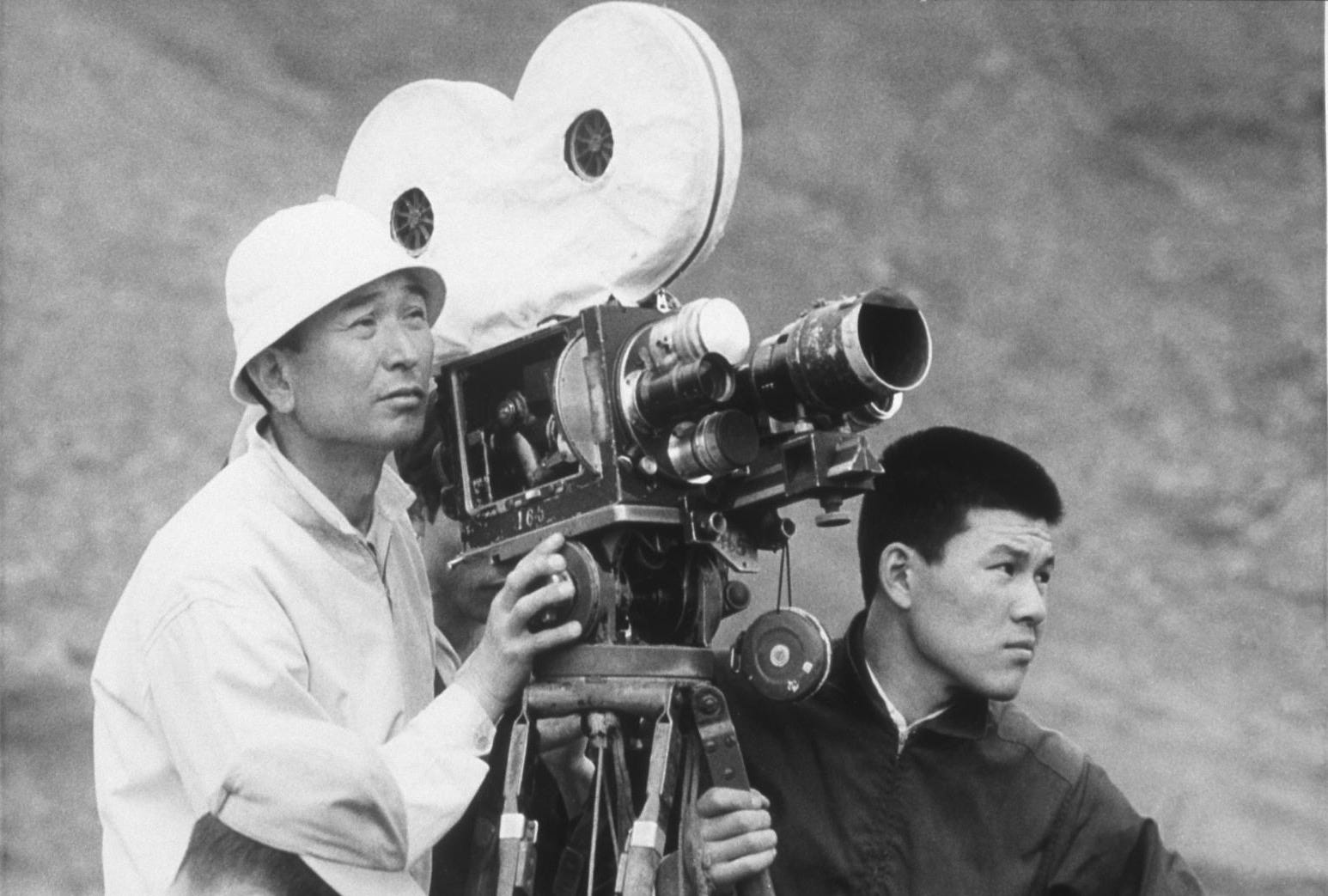
With age comes appreciation for routine and doing things more slowly. Kurosawa reminds us, there are no shortcuts to creative mastery, the summit is reached through patient, steady steps. Perfectionism and blind ambition can paralyze; true progress is found in consistent effort and experimentation, a lesson that extends far beyond filmmaking.
Kurosawa didn’t ascend to greatness overnight. His enduring legacy proves that real achievement builds through lifelong dedication. The films below trace those incremental steps toward the peak.
His 50+ films body of work has always been intimidating to get into. Where to begin? By blending genres and including both accessible gems and undisputed classics, this selection offers a characteristic gateway to Kurosawa’s singular gifts: entertainment, historical sweep, sharp social critique, and groundbreaking technique. You don’t have to wait until the next winter to enjoy.
Many of his films are available on Criterion Channel. For alternative streaming and rent options, please have a look online. Short selection list and film info at the bottom of the page.
Stray Dog (1949)
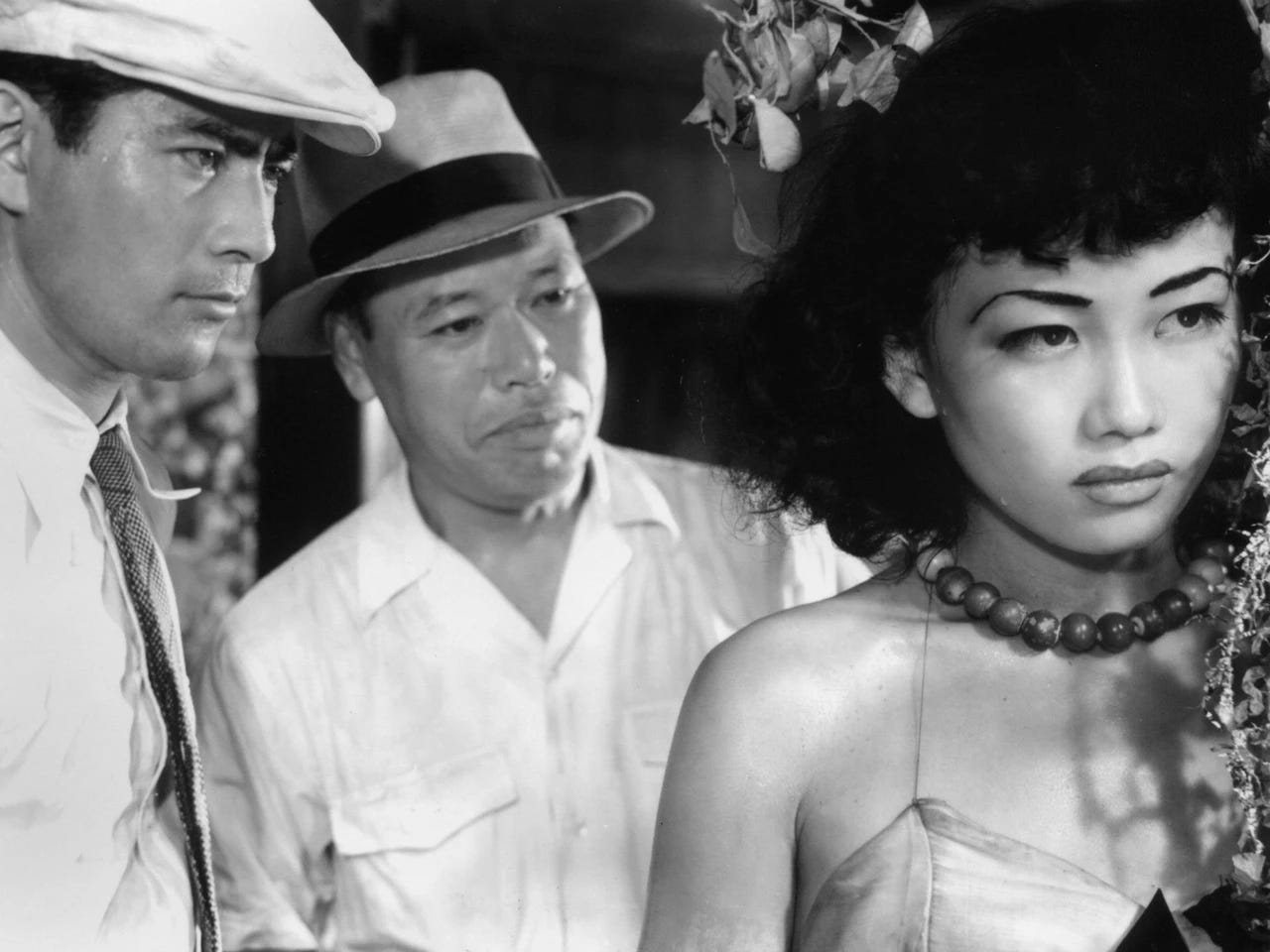
The lingering trauma of “après-guerre” (as the characters call it) permeates this early noir, which is Kurosawa’s second teaming of Toshiro Mifune and Takashi Shimura, the recognizable actors duo destined to become legends in his samurai epics. When a rookie detective’s American Colt pistol is stolen on a packed bus, its loaded magazine turns into a ticking threat that drives the narrative of this relentless police procedural. While the symbolism of US weaponry turning deadly remains subtle, the line between cop and criminal blurs as the hunt plunges into Tokyo’s black-market underbelly and slums. As so often, the hunter and the hunted appear to be two sides of the same desperate coin. While the city sweats and simmers in blistering heat; Kurosawa keeps us gripped with confident twists of suspense and entertainment. A grounded, accessible entry to his world.
Rashomon (1950)
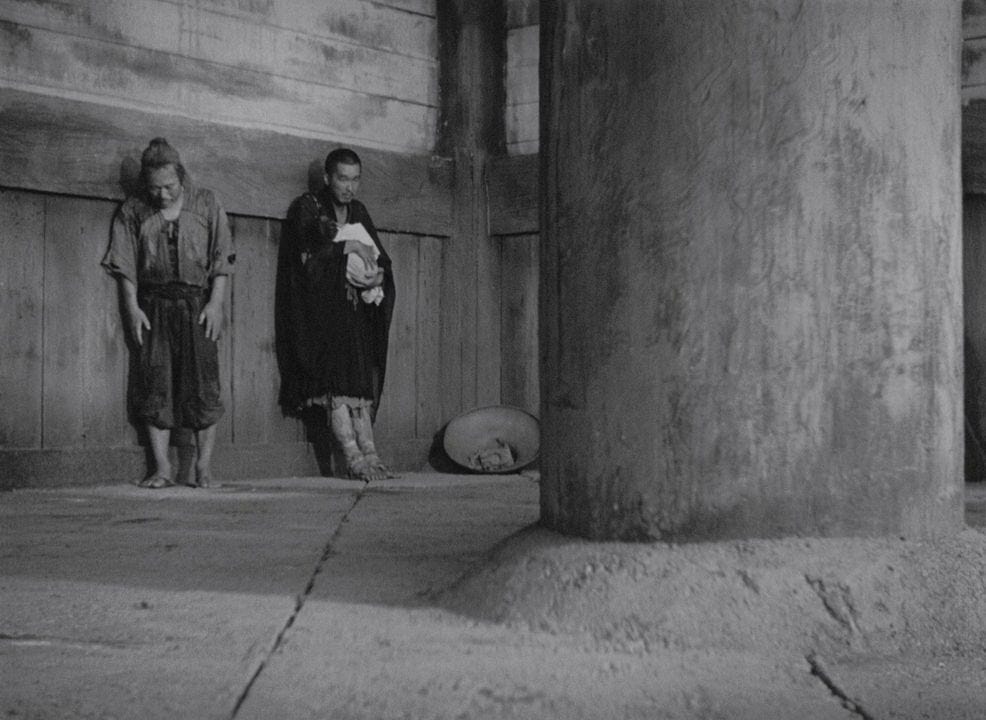
Rashomon became legendary for its groundbreaking technical and narrative innovations. From the remarkable gliding camera sequence through the woods with a Boléro rhythm on the soundtrack, to the characters fourth-wall breaking testimonials when recounting the film’s central violent assault. Which eyes and ears to trust? The nature of truth, this film reminds us, was as elusive back then as it is today. P.S.: Tarantino is a fan.
Ikiru (1952)
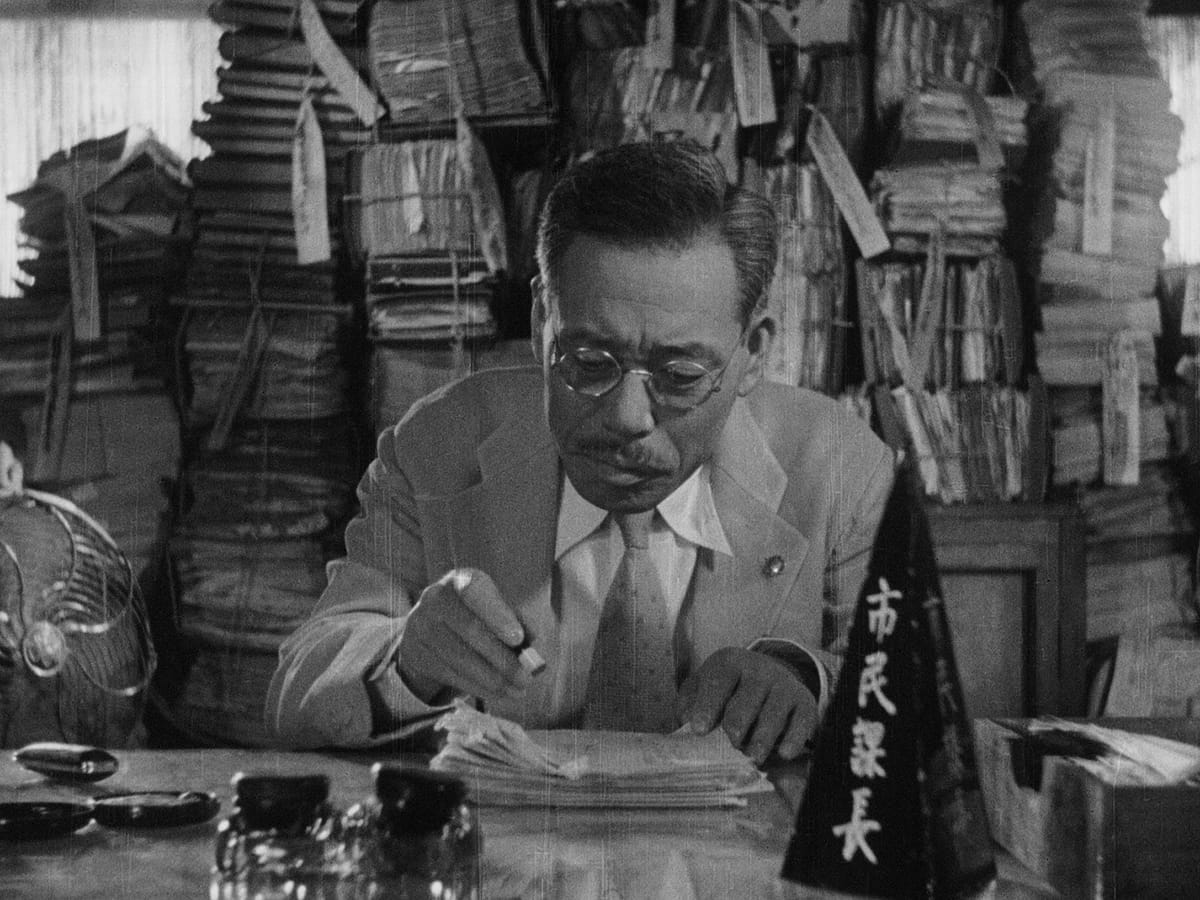
Ikiru is one of those rare films that feels profoundly sad and uplifting at the same time. Takashi Shimura delivers a heartbreaking performance as a quiet bureaucrat swallowed by the Kafkaesque inefficiency of a Japanese government office. When learning about having a potentially terminal illness, his priorities begin to shift. Kurosawa’s two-part narrative structure, seen again in later works, reaches its most deeply humanist peak here, turning personal despair into quiet, life-affirming action that lingers like a gentle ache.
Seven Samurai (1954)
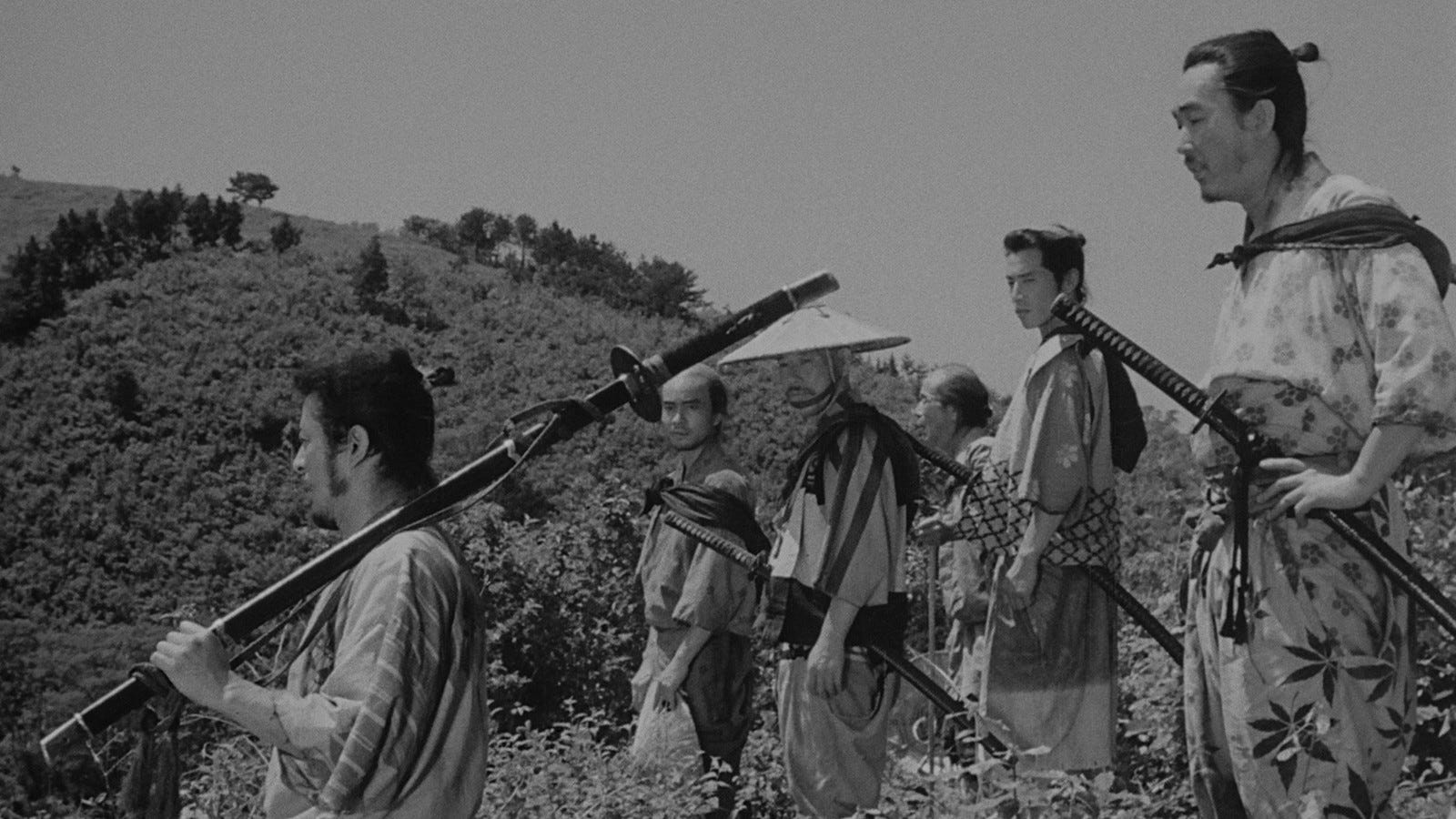
This film is the one that made Kurosawa an international sensation (It won the Silver Lion at Venice and earned Oscar nominations). A major influence on Sergio Leone’s Westerns and even recent video games such as Ghost of Tsushima; Seven Samurai is an epic tale of seven aimless ronin that band together to defend a vulnerable village from bandits in feudal Japan, delivering pure entertainment wrapped in themes of honor, sacrifice, and the power of unlikely unity against a common threat. A timeless story that still feels urgent and exhilarating.
High and Low (1963)
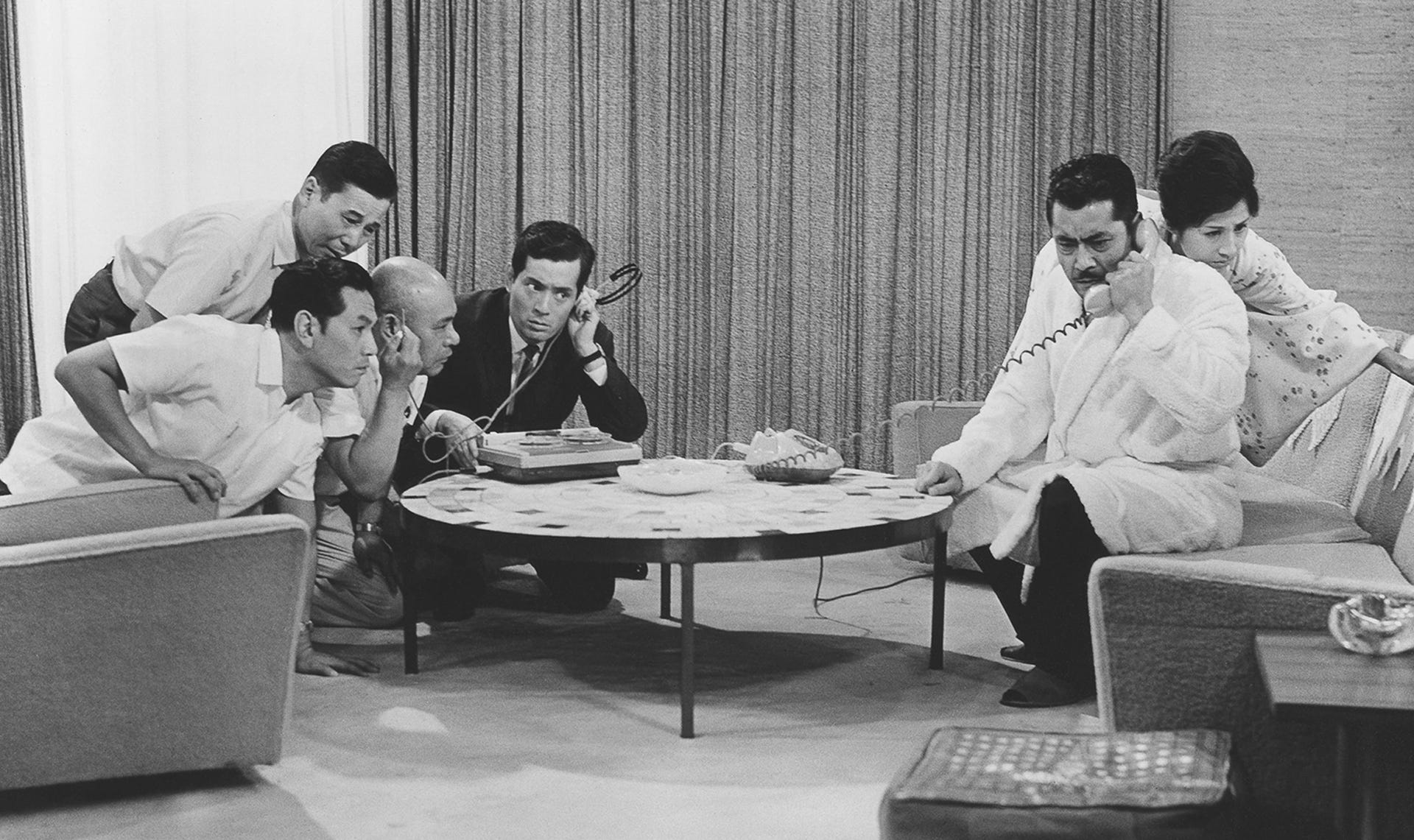
Spike Lee’s recent remake (Highest 2 Lowest) updates it, but the original towers above with Kurosawa’s meticulous direction and its razor-sharp class tension. A kidnapping gone wrong forces a wealthy executive to confront moral and social divides, traversing opulent hilltop homes and sweltering slums in a gripping ransom thriller. Kurosawa mixes high and low, empathy for victim and criminal alike, into a perfect, unflinching examination of conscience and inequality.
Ran (1985)
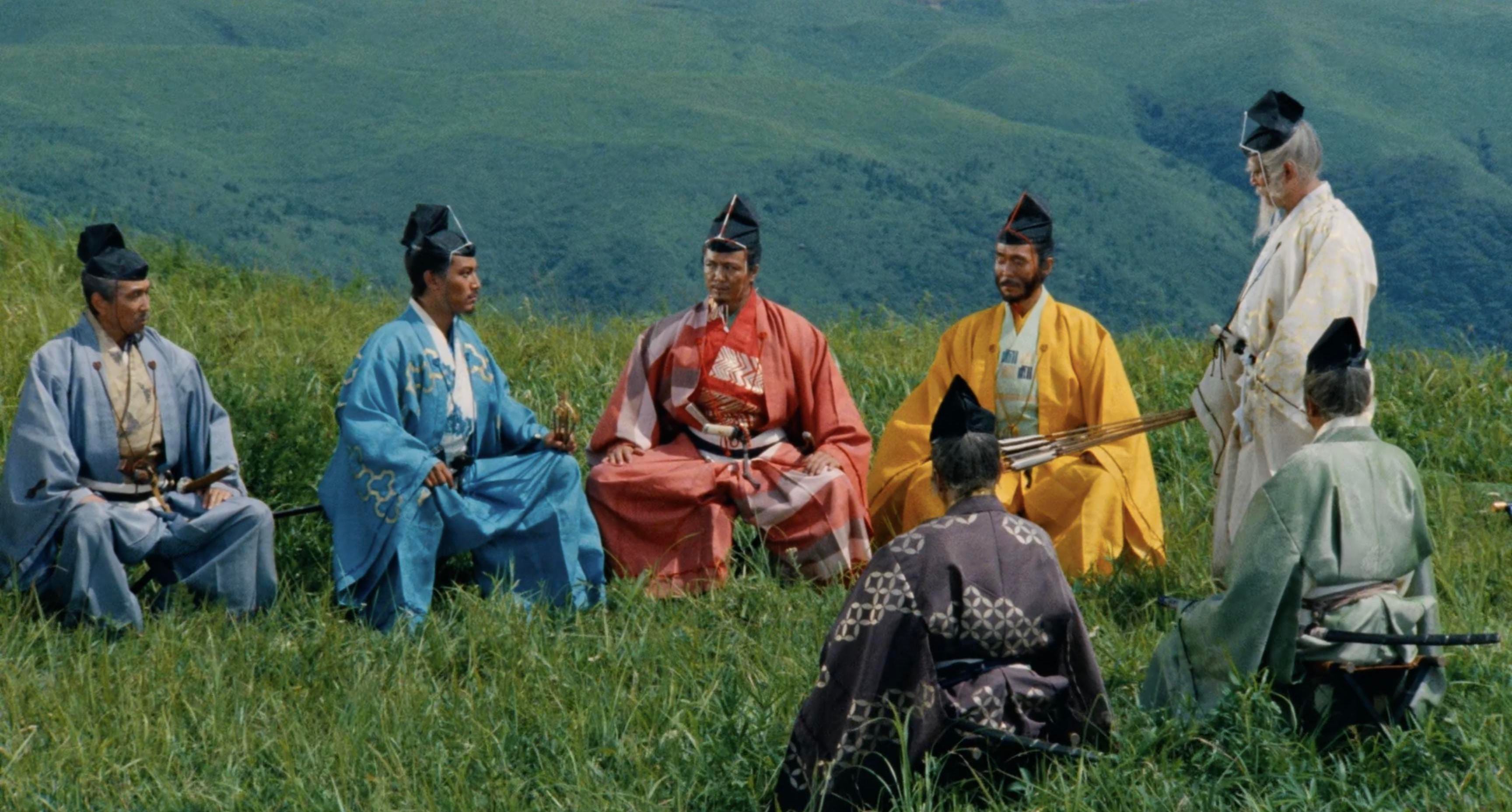
After Throne of Blood (Macbeth) and The Bad Sleep Well (Hamlet), Ran completes Kurosawa’s Shakespeare trilogy with his loose adaptation of King Lear. In this late-career color masterpiece, an aging warlord divides his kingdom among three sons, igniting betrayal, madness, and apocalyptic family war. Monumental battles, vivid visuals, and tragic grandeur make it a spectacle of power, regret, and human frailty. An epic that hits with devastating emotional force.
Selection list:
Stray Dog ( 野良犬 (Nora inu), Japan, 1949) (Akira Kurowawa) (122 min)
Cast: Toshiro Mifune (Detective Murakami), Takashi Shimura (Detective Sato)
Rashomon (羅生門 (Rashōmon), Japan, 1950) (Akira Kurosawa) (88 min)
Cast: Toshiro Mifune (Bandit), Machiko Kyō (Wife), Masayuki Mori (Samurai), Takashi Shimura (Woodcutter)
Ikiru (生きる (Ikiru), Japan, 1952) (Akira Kurosawa) (143 min) Cast: Takashi Shimura (Kanji Watanabe)
Seven Samurai (七人の侍 (Shichinin no Samurai), Japan, 1954) (Akira Kurosawa) (207 min) Cast: Toshiro Mifune, Takashi Shimura, Isao Kimura, Daisuke Katō
High and Low (天国と地獄 (Tengoku to Jigoku), Japan, 1963) (Akira Kurosawa) (143 min) Cast: Toshiro Mifune (Kingyo Gondo), Tatsuya Nakadai
Ran (乱 (Ran), Japan, 1985) (Akira Kurosawa) (162 min)
Cast: Tatsuya Nakadai (Lord Hidetora), Akira Terao, Jinpachi Nezu, Mieko Harada